Pharma Hub Quick Bites
Explore concise, practical, and high-value pharmaceutical articles covering Quality Assurance, Regulatory Affairs, Manufacturing, Clinical Research, Pharmacovigilance, Career Development, Leadership, and Industry Best Practices. Quick reads designed to deliver actionable knowledge in minutes.
Written by Ragupathy Renganathan · 18+ Years in Pharma · Practical Pharma Knowledge & Industry Insights
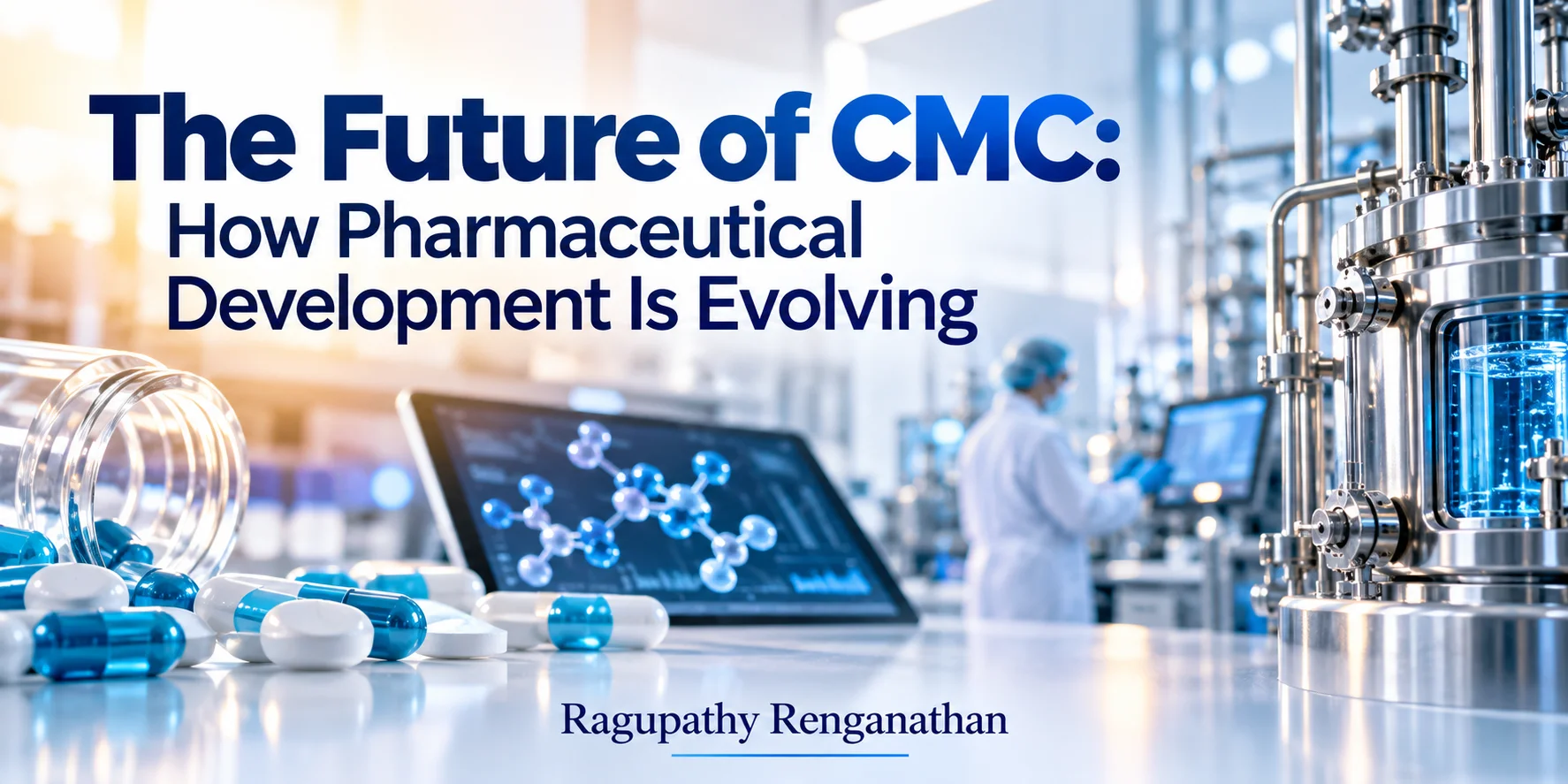
The Future of CMC: How Pharmaceutical Development Is Evolving
Explore how the future of CMC is transforming pharmaceutical development through integrated science, digitalization, advanced manufacturing, regulatory intelligence, lifecycle management and strategic leadership.
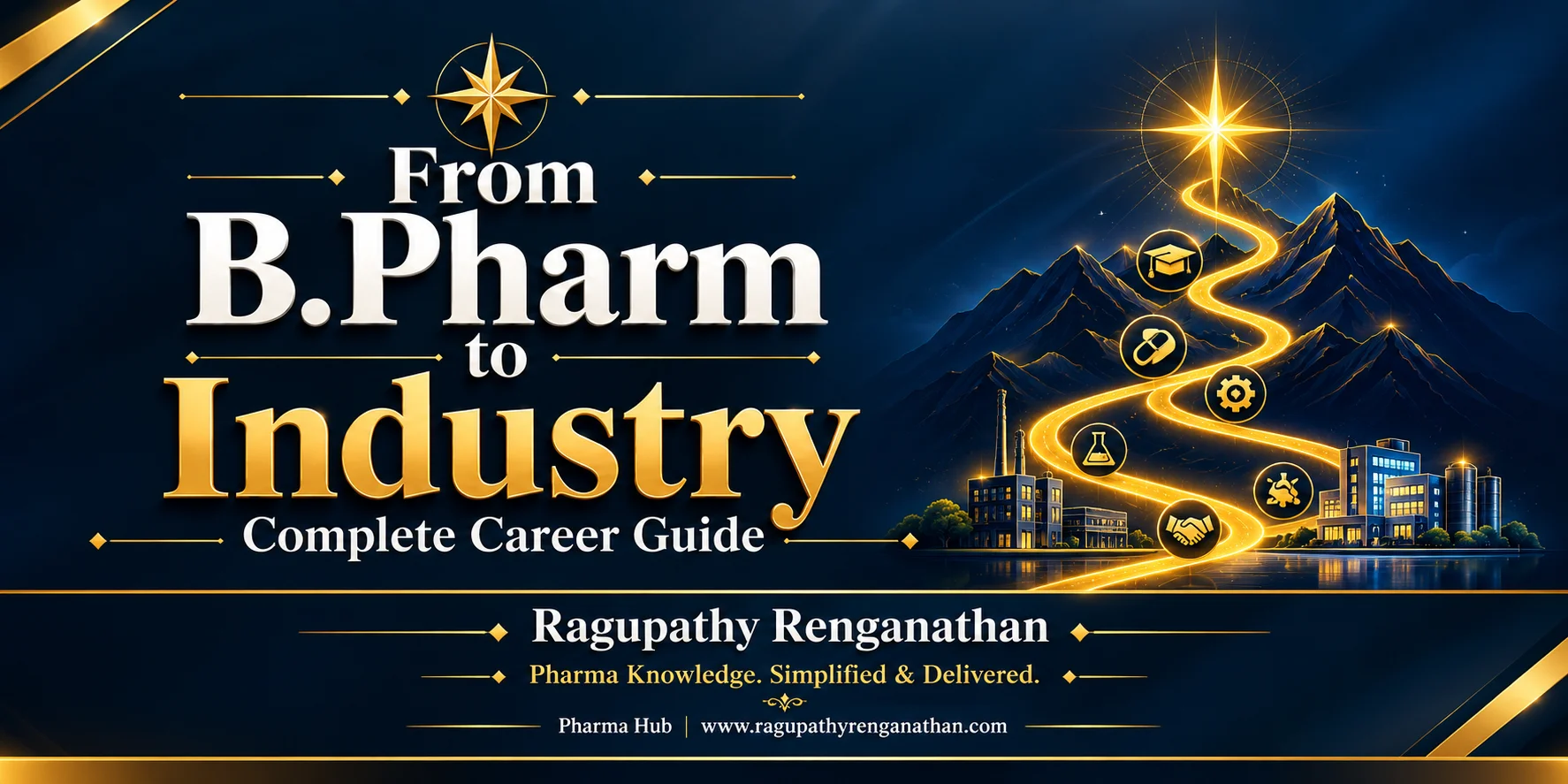
From B.Pharm to Industry – Complete Career Guide A Practical Roadmap for Pharmacy Students to Build a Successful Pharma Career
A complete career guide for B.Pharm students and graduates transitioning into the pharmaceutical industry, covering career pathways, essential industry skills, internships, interview preparation, professional development, and long-term career growth.
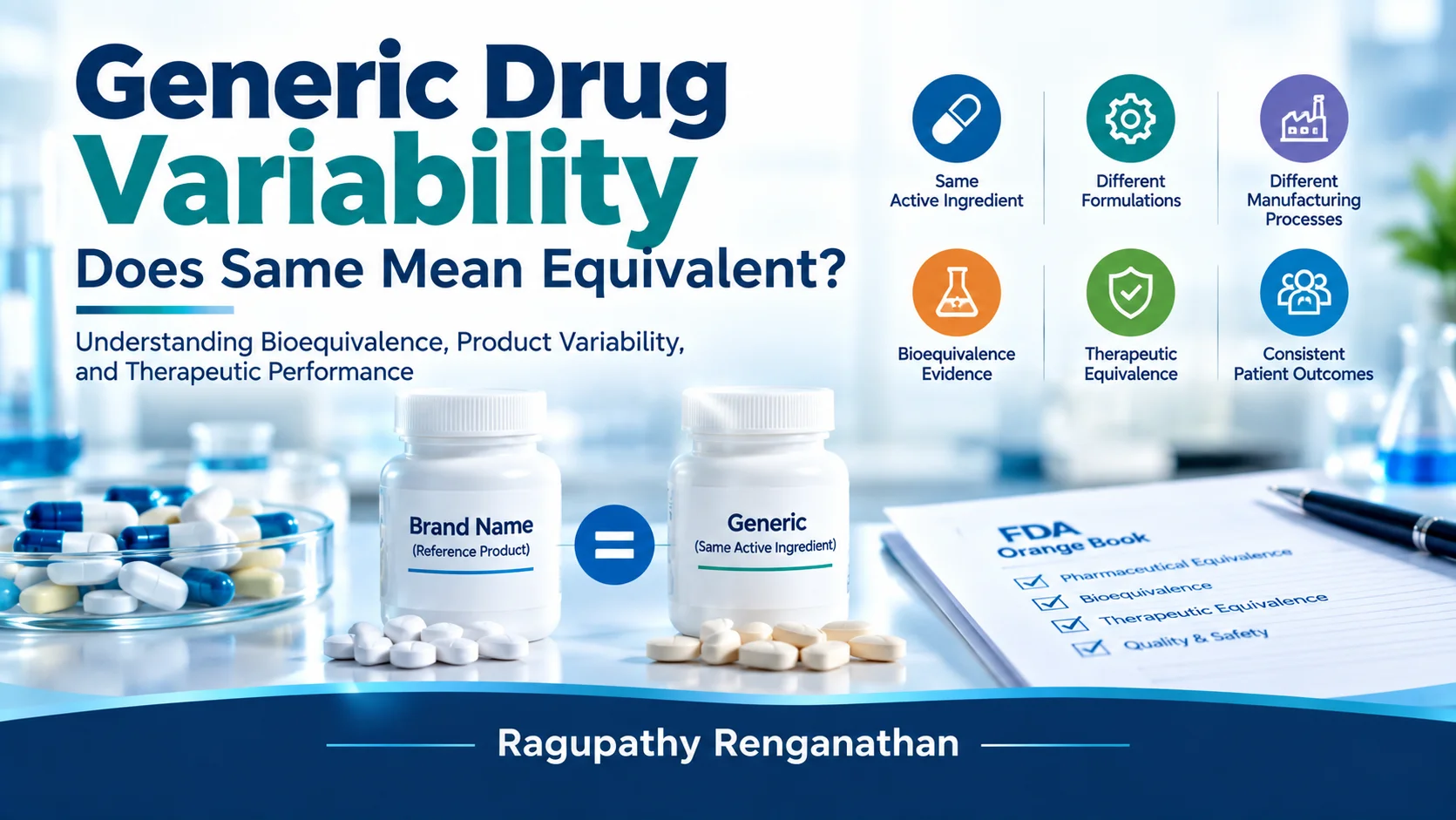
Generic Drug Variability — Does Same Mean Equivalent? Understanding Bioequivalence, Product Variability, and Therapeutic Performance
Generic Drug Variability — Does Same Mean Equivalent? explores the science behind generic medicines and the distinction between having the same active ingredient and demonstrating therapeutic equivalence. The article examines bioequivalence, formulation differences, excipient variability, manufacturing consistency, dissolution, regulatory requirements, and quality-by-design principles. It explains how pharmaceutical manufacturers use scientific evidence, quality controls, and lifecycle management to ensure that generic medicines meet applicable standards for quality and performance.
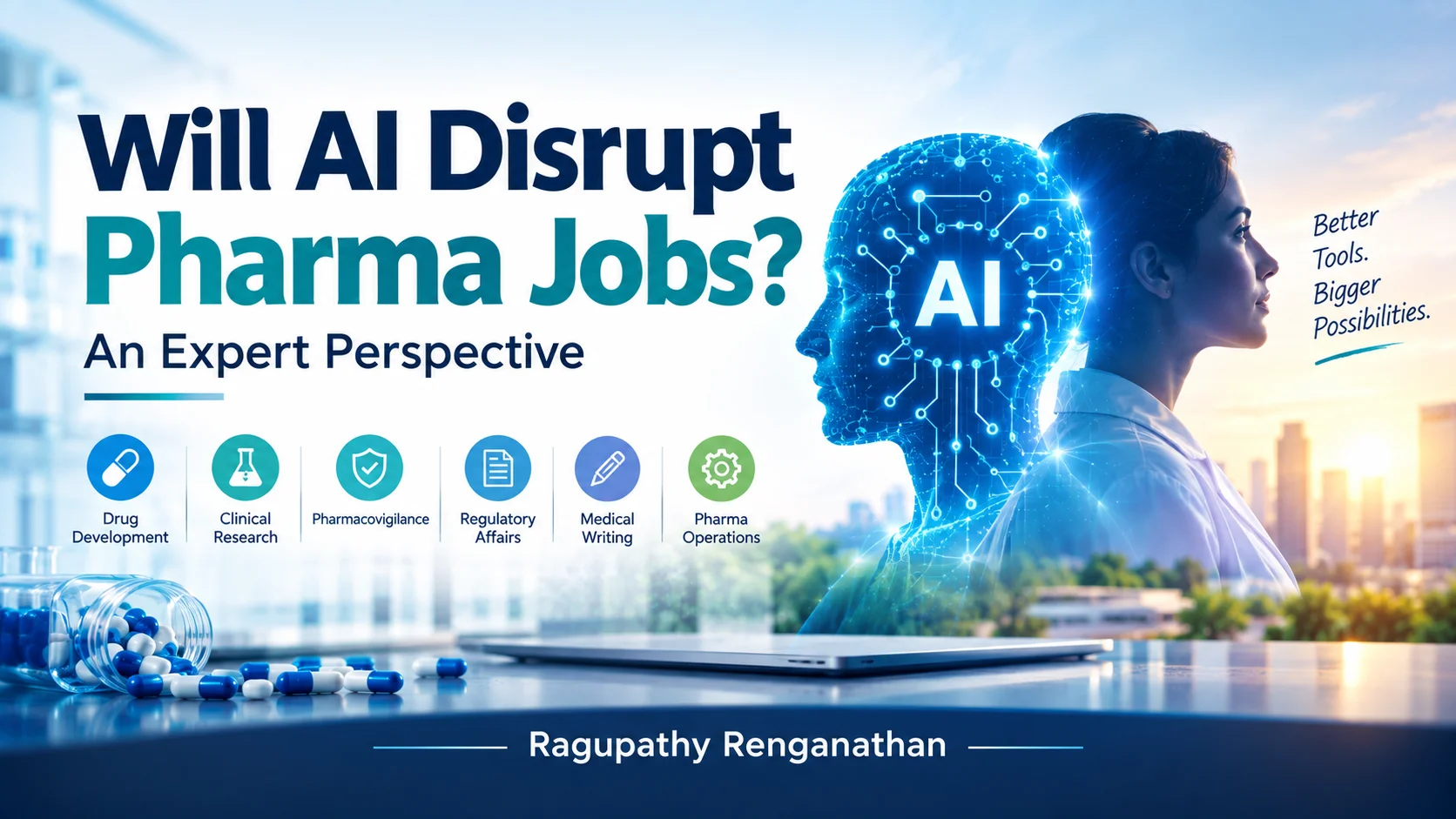
Will AI Disrupt Pharma Jobs? An Expert Perspective
“Will AI Disrupt Pharma Jobs? An Expert Perspective” explores how artificial intelligence is transforming pharmaceutical careers, workflows, and professional responsibilities. The article examines AI’s impact across drug development, clinical research, pharmacovigilance, regulatory affairs, medical writing, and pharmaceutical operations, while highlighting the continued importance of scientific expertise, critical thinking, human judgment, and ethical decision-making.
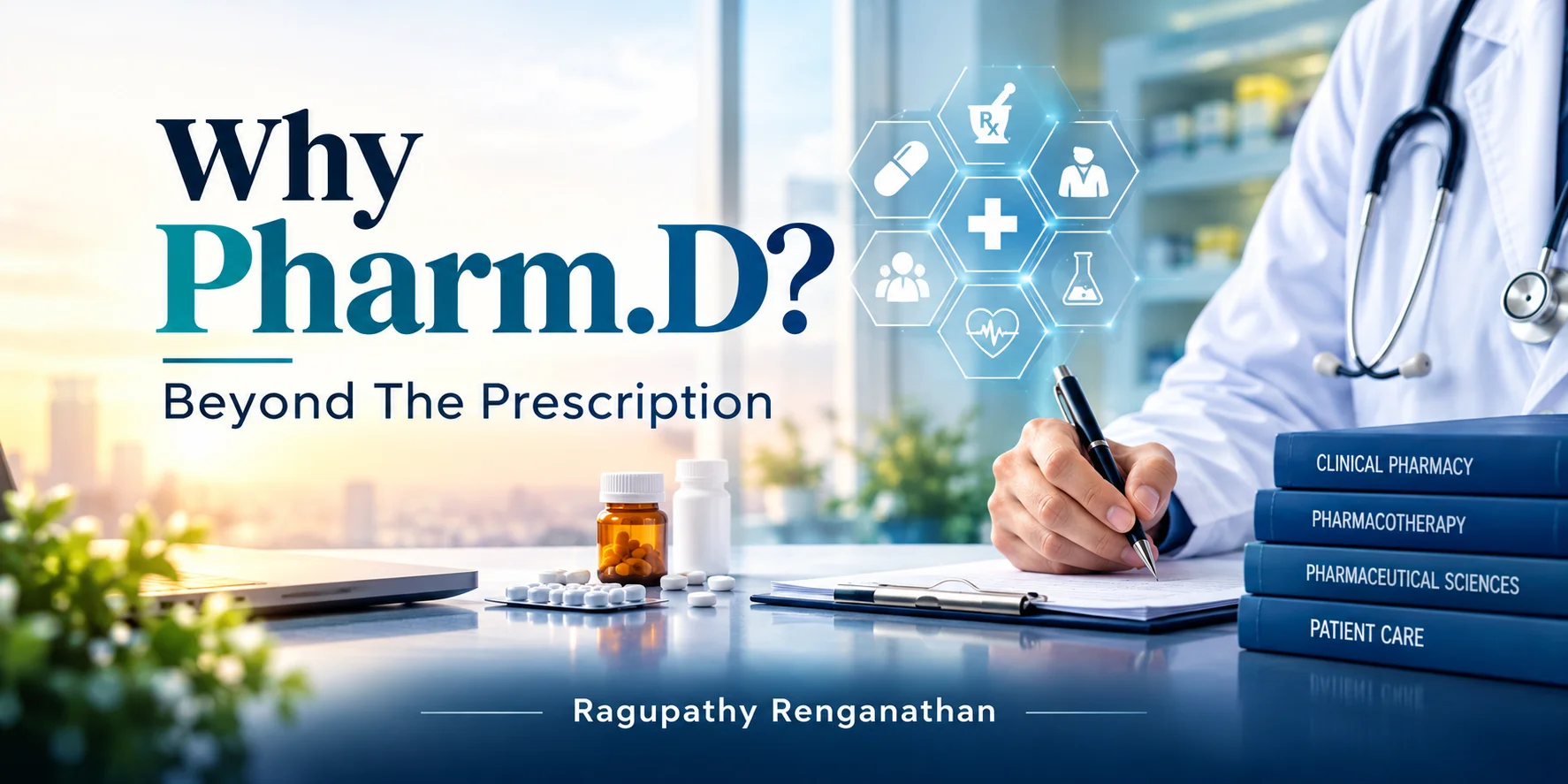
Why Pharm.D? Beyond The Prescription
Why Pharm.D? Beyond the Prescription explores how Doctor of Pharmacy education extends beyond traditional pharmacy roles into clinical practice, pharmacovigilance, clinical research, medical writing, regulatory affairs, healthcare communication, and emerging pharmaceutical opportunities.

Why Pharma Careers Plateau?
Why do some pharmaceutical careers plateau despite years of experience? This article explores the hidden factors behind career stagnation and explains how continuous learning, cross-functional expertise, strategic thinking, leadership, communication, digital capabilities, and professional impact can help pharma professionals move beyond routine experience toward meaningful career growth.
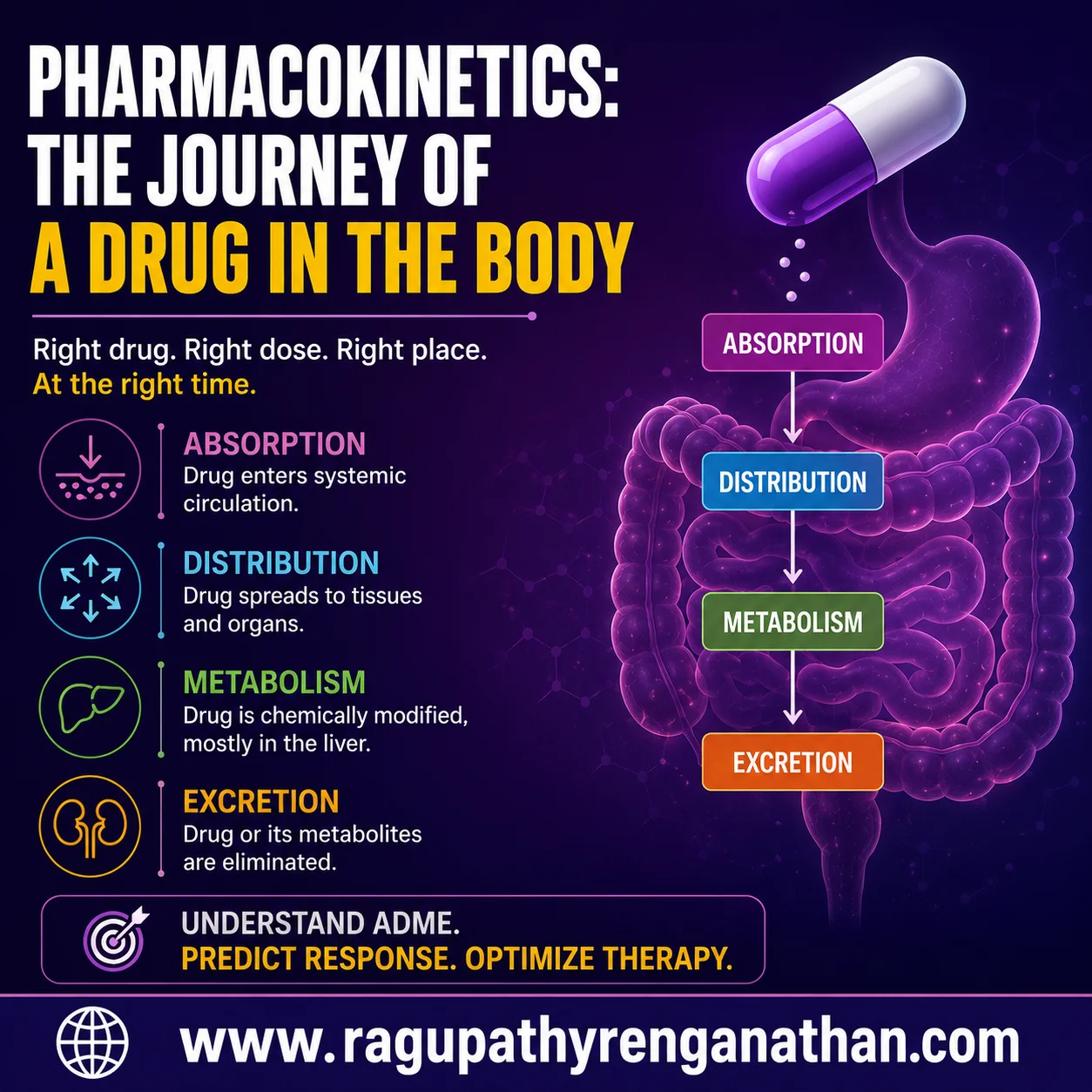
Pharmacokinetics – The Journey of Drug in the Body
.Pharmacokinetics explains the journey of a drug through the body, from absorption and distribution to metabolism and excretion. Understanding ADME and key pharmacokinetic parameters helps optimize drug development, dosage, therapeutic exposure, safety, and patient outcomes.
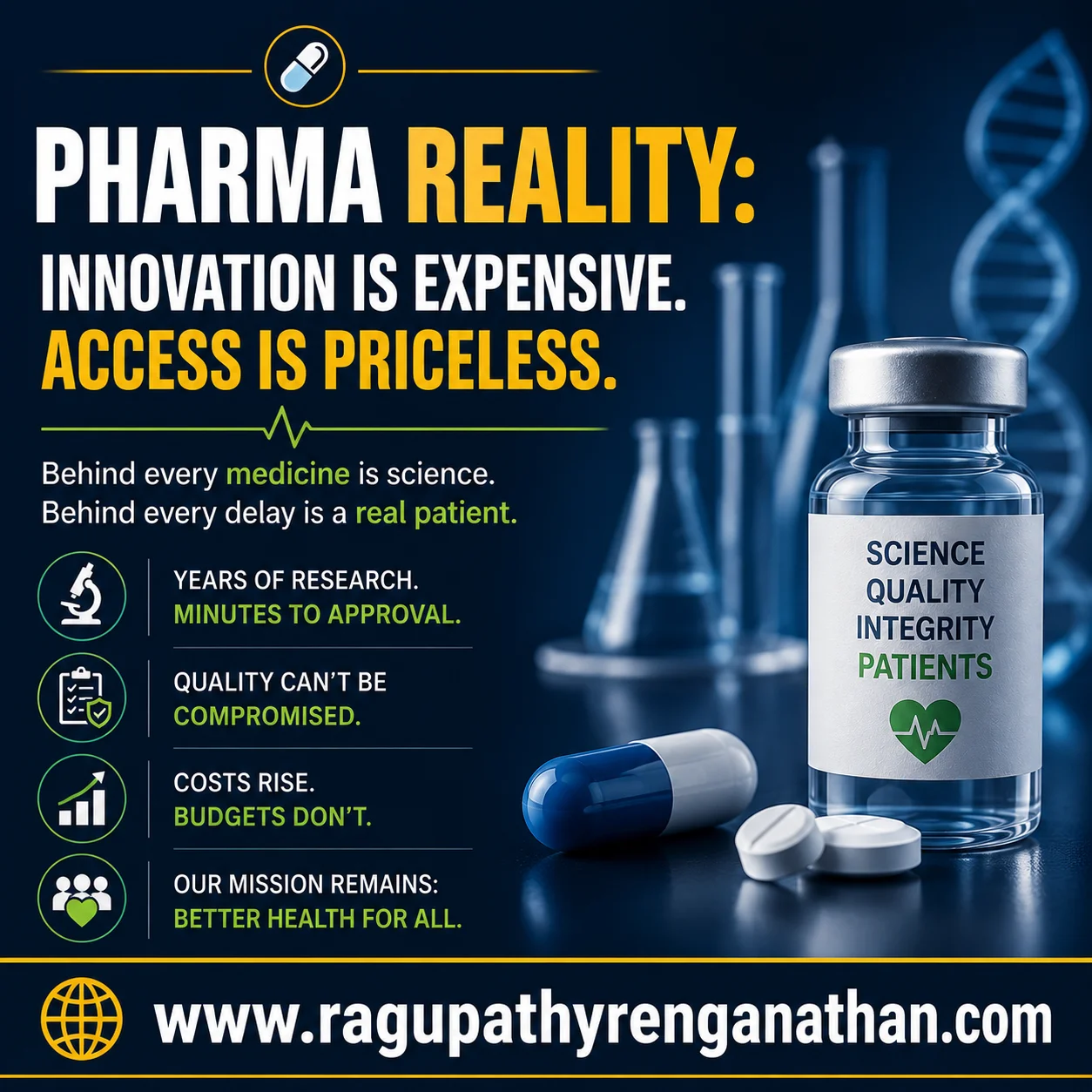
PHARMA REALITY - Innovation is expensive. Access is priceless!
Pharmaceutical innovation requires enormous investment, scientific expertise, and long-term risk-taking. But the true value of innovation is realized only when patients can access the medicines they need. This article explores the relationship between pharmaceutical innovation, drug pricing, patient access, manufacturing, intellectual property, market access, healthcare economics, supply-chain resilience, and the future of patient-centric pharmaceutical leadership.
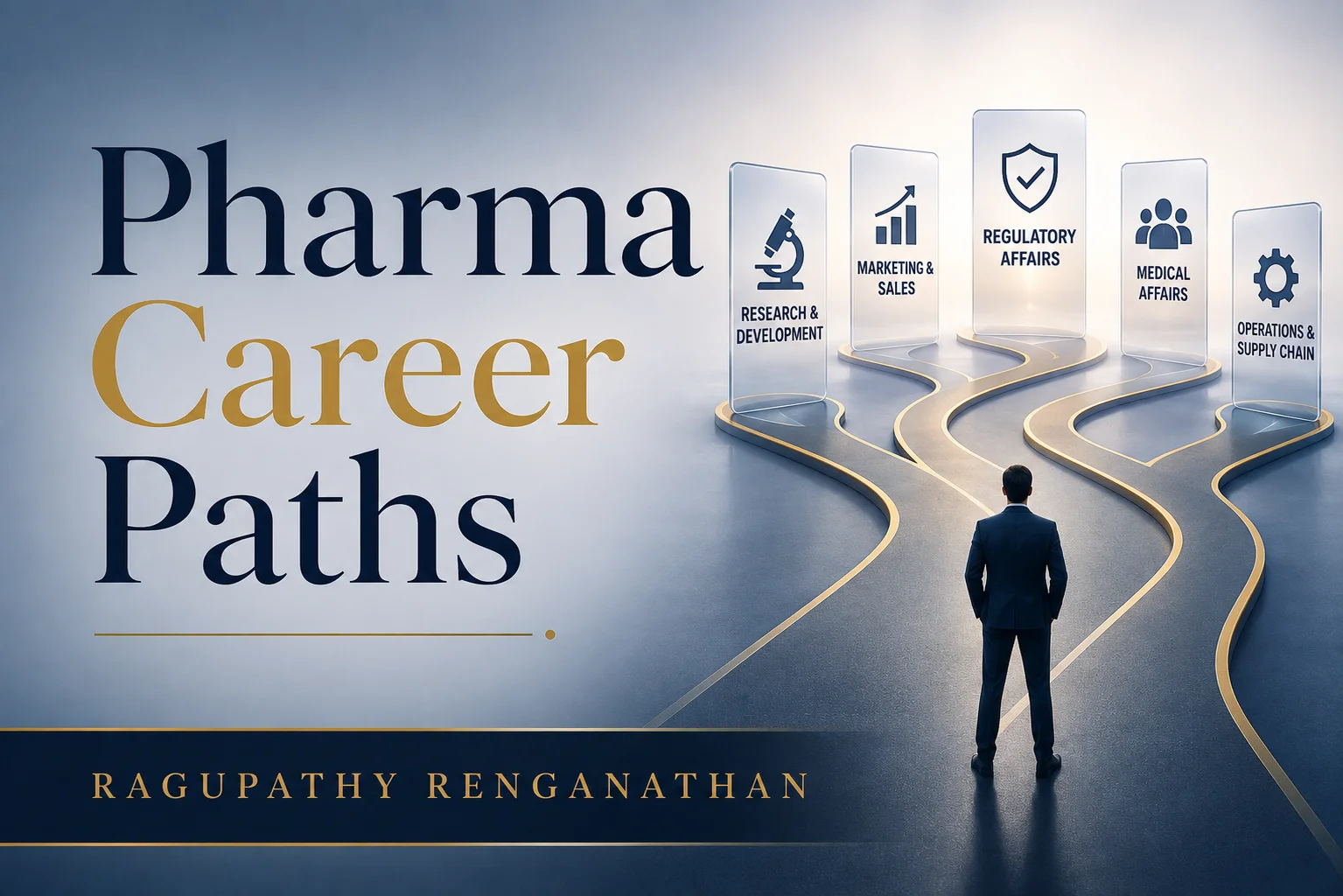
Pharma Career Paths
Explore the major pharma career paths available to Pharm D, B.Pharm, and M.Pharm graduates, including clinical pharmacy, clinical research, pharmacovigilance, regulatory affairs, medical affairs, quality, manufacturing, and medical writing. Learn how to choose the right direction and build the skills needed for long-term pharmaceutical career growth.
Get new articles in your inbox
Free pharma quick bites — practical knowledge delivered weekly.