
Quality Assurance (QA) has always been the backbone of the pharmaceutical industry. Every tablet, injection, vaccine, biologic, or medical device that reaches a patient carries an implicit promise of safety, efficacy, and consistent quality. That promise is fulfilled through robust quality systems designed to ensure that products meet predefined standards throughout their lifecycle. Over the past several decades, Quality Assurance has evolved from simple documentation and batch record reviews into a sophisticated discipline encompassing quality systems, risk management, validation, regulatory compliance, supplier oversight, data integrity, and continuous improvement.
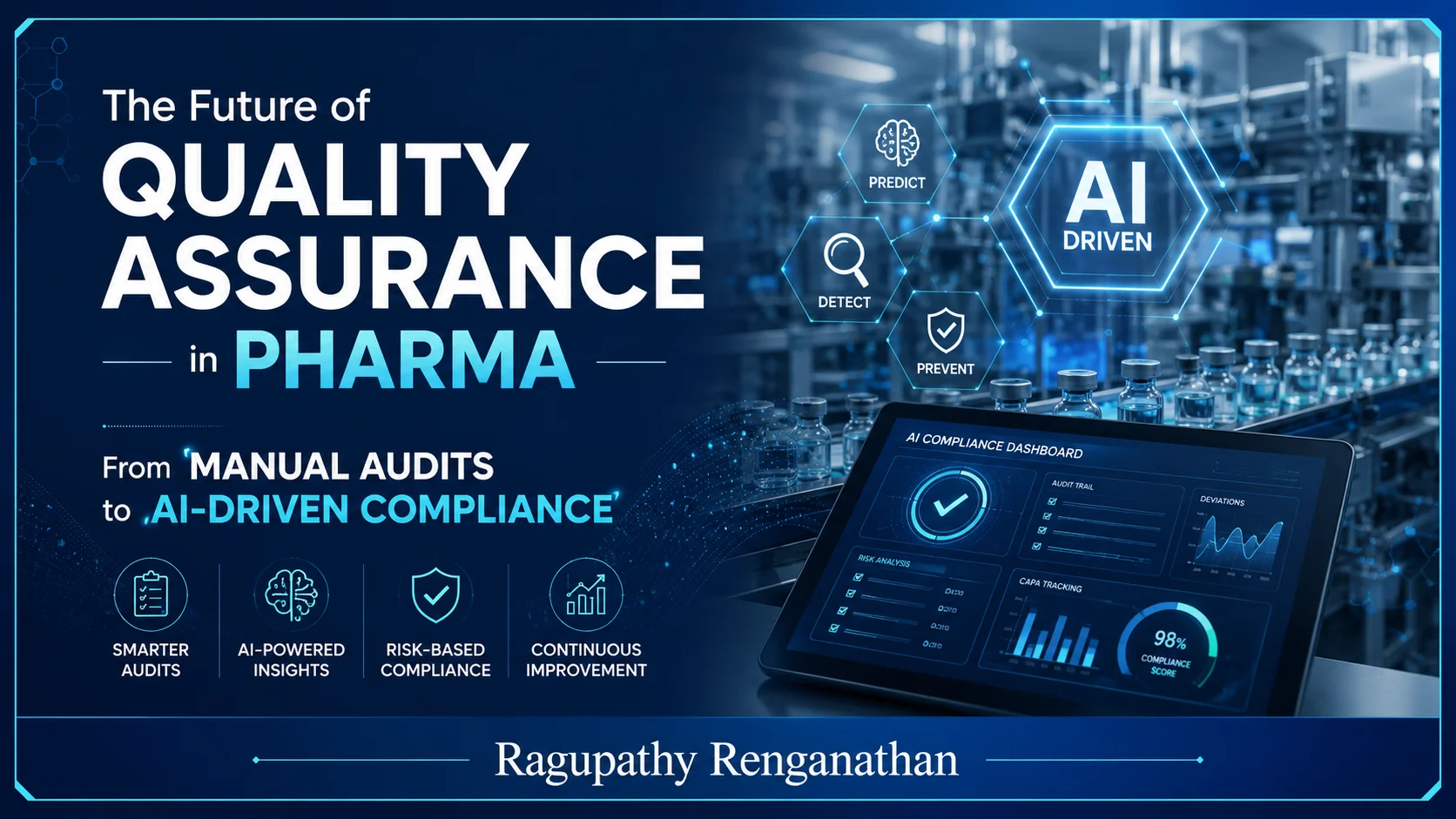
Today, however, the pharmaceutical industry is undergoing one of the most significant transformations in its history. Digital technologies, artificial intelligence (AI), machine learning (ML), predictive analytics, cloud computing, Internet of Things (IoT), robotics, and advanced automation are reshaping how medicines are discovered, manufactured, tested, and distributed. Quality Assurance is no exception. Traditional manual audits, paper-based documentation, and reactive quality management are gradually giving way to intelligent, connected, and predictive quality systems capable of identifying risks before deviations occur.
Regulatory agencies worldwide are also encouraging pharmaceutical companies to embrace digital transformation while maintaining the highest standards of patient safety. Organizations are expected not only to comply with Good Manufacturing Practices (GMP) but also to build quality into every process through data-driven decision-making and continuous monitoring.
The future of pharmaceutical Quality Assurance lies in integrating human expertise with intelligent technologies. Rather than replacing QA professionals, AI is expected to enhance their ability to make informed decisions, detect hidden trends, reduce human error, and strengthen compliance. Understanding this transition is essential for quality professionals, regulatory experts, manufacturing teams, and future pharma leaders preparing for the next generation of pharmaceutical operations.
The Evolution of Quality Assurance: From Documentation to Intelligent Quality Systems
For many years, pharmaceutical Quality Assurance primarily focused on maintaining documentation, reviewing batch manufacturing records, approving Standard Operating Procedures (SOPs), conducting internal audits, managing deviations, overseeing change controls, and ensuring compliance with regulatory guidelines. These responsibilities remain fundamental, but the way they are executed is changing rapidly.