

Introduction
Pharmacovigilance has evolved significantly over the past two decades, shifting from a reactive process of collecting adverse event reports to a proactive science focused on continuous benefit-risk evaluation throughout the lifecycle of medicinal products. While Individual Case Safety Reports (ICSRs) remain the cornerstone of adverse event reporting, regulatory authorities increasingly rely on aggregate safety reports to obtain a comprehensive understanding of a product's evolving safety profile. These reports consolidate cumulative safety data from multiple sources, enabling regulators and Marketing Authorization Holders (MAHs) to identify emerging safety signals, reassess benefit-risk balance, and implement appropriate risk minimization measures before patient safety is compromised.
Aggregate safety reporting has become a global regulatory expectation under the International Council for Harmonization (ICH) guidelines and regional pharmacovigilance legislation. Health authorities such as the European Medicines Agency (EMA), the US Food and Drug Administration (FDA), the Medicines and Healthcare products Regulatory Agency (MHRA), Health Canada, the Pharmaceuticals and Medical Devices Agency (PMDA), and numerous other regulatory agencies require periodic submission of comprehensive safety reports throughout both clinical development and post-marketing phases.
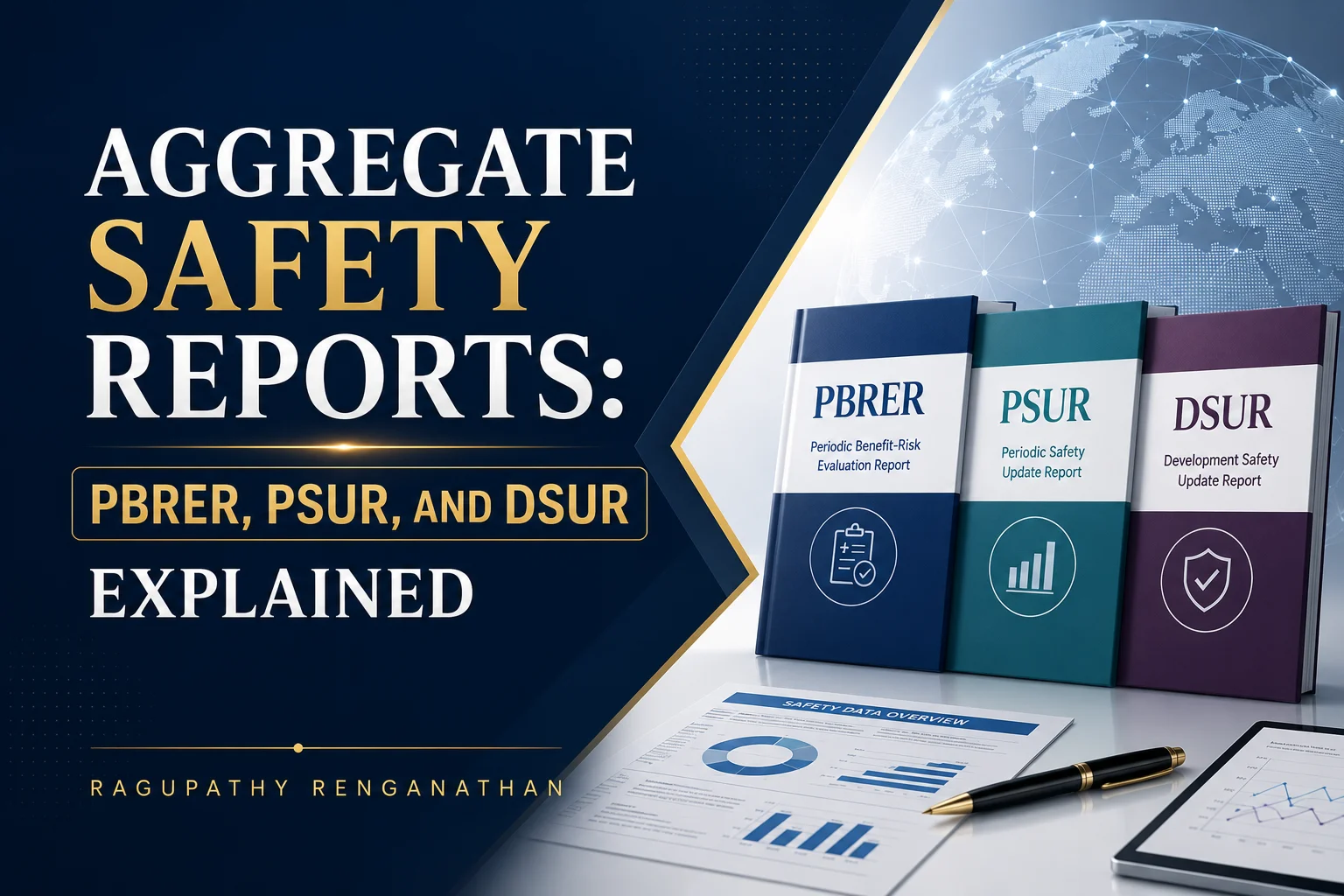
Three reports form the backbone of aggregate safety reporting: the Development Safety Update Report (DSUR), the Periodic Safety Update Report (PSUR), and the Periodic Benefit-Risk Evaluation Report (PBRER). Although these reports share the common objective of evaluating medicinal product safety, each serves a distinct purpose depending on the product's stage of development, regulatory status, and geographical requirements. Confusion between these reports is common among pharmaceutical professionals because of overlapping data sources, similar terminologies, and evolving regulatory expectations. However, understanding their differences is essential for pharmacovigilance professionals, regulatory affairs teams, medical reviewers, Qualified Persons for Pharmacovigilance (QPPVs), and executive leadership responsible for global compliance.
For pharmaceutical companies, high-quality aggregate safety reporting extends far beyond regulatory compliance. These reports directly influence regulatory approvals, label updates, risk management plans, market authorizations, and corporate reputation. Poor-quality reports, inconsistent safety analyses, delayed submissions, or inadequate benefit-risk evaluations frequently lead to regulatory observations, inspection findings, and increased scrutiny from health authorities. Consequently, organizations must establish robust pharmacovigilance systems capable of generating scientifically sound and regulatory-compliant aggregate safety reports that support informed decision-making across global markets.