
Introduction
The pharmaceutical industry operates in one of the most highly regulated environments, where every process, system, equipment, material, and document directly impacts product quality and patient safety. Even a minor change in manufacturing processes, analytical methods, equipment settings, raw material suppliers, or packaging components can significantly influence the safety, efficacy, and quality of pharmaceutical products. Therefore, any planned modification must be scientifically evaluated, documented, approved, implemented, and verified before becoming part of routine operations.
This systematic approach is known as Change Control Management.
Change Control is a fundamental element of the Pharmaceutical Quality Management System (QMS) and is required under Good Manufacturing Practices (GMP). Regulatory agencies such as the USFDA, EMA, WHO, MHRA, PIC/S, and CDSCO expect pharmaceutical companies to maintain a robust Change Control system to ensure that every proposed change is properly assessed for its potential impact on product quality, regulatory compliance, and patient safety.
An effective Change Control process minimizes risks, prevents unexpected failures, maintains validated processes, and ensures continuous improvement without compromising compliance. This article explains the concept of Change Control, its objectives, types, implementation process, documentation requirements, regulatory expectations, common challenges, and best practices in the pharmaceutical industry.
What is Change Control?
Change Control is a formal and documented process used to evaluate, approve, implement, and monitor any proposed change that may affect product quality, manufacturing processes, analytical procedures, equipment, facilities, computer systems, utilities, documentation, or regulatory compliance.
The objective is to ensure that every change is scientifically justified, adequately assessed for risks, and implemented in a controlled manner without negatively affecting product quality or patient safety.
Change Control ensures that changes are planned rather than accidental, thereby maintaining consistency in pharmaceutical manufacturing and quality systems.
Objectives of Change Control
A well-established Change Control system aims to achieve several important objectives:
* Ensure product quality remains unaffected.
* Maintain compliance with GMP regulations.
* Evaluate risks before implementing changes.
* Preserve the validated state of processes and equipment.
* Prevent unintended consequences.
* Improve manufacturing efficiency.
* Maintain proper documentation and traceability.
* Ensure regulatory commitments are fulfilled.
* Facilitate continuous improvement.
Ultimately, Change Control supports the pharmaceutical industry's primary goal of consistently producing safe, effective, and high-quality medicines.
Why Change Control is Important
Every pharmaceutical process is validated based on specific conditions. Even small modifications can introduce unforeseen risks if not properly evaluated.
Effective Change Control helps organizations:
Maintain Product Quality
Changes are assessed before implementation to ensure they do not negatively impact product quality attributes.
Protect Patient Safety
Risk assessments identify potential hazards before changes are introduced into commercial manufacturing.
Ensure Regulatory Compliance
Global regulatory agencies require documented evidence that all significant changes have been scientifically evaluated and approved.
Maintain Process Validation
Significant changes may require requalification, revalidation, or additional studies to maintain validated status.
Improve Operational Efficiency
Well-managed changes often improve productivity, reduce costs, and optimize manufacturing processes while maintaining compliance.
Types of Change Control
Pharmaceutical organizations commonly categorize changes into several types.
Equipment Changes
Examples include:
* Installation of new equipment
* Equipment relocation
* Equipment upgrades
* Replacement of critical components
These changes may require qualification (IQ/OQ/PQ).
Facility Changes
Examples include:
* HVAC modifications
* Cleanroom redesign
* Utility upgrades
* Warehouse expansion
Facility changes often require environmental qualification.
Process Changes
Examples include:
* Mixing time adjustments
* Granulation parameter changes
* Compression force modifications
* Drying temperature revisions
Process changes may require process validation.
Analytical Method Changes
Examples include:
* HPLC method revision
* New analytical instruments
* Sample preparation changes
* Specification updates
Analytical method validation may be necessary.
Raw Material Changes
Examples include:
* New supplier approval
* Material specification revision
* Packaging material changes
* Excipient replacement
Supplier qualification and compatibility studies may be required.
Documentation Changes
Examples include:
* SOP revisions
* Batch Manufacturing Record updates
* Validation protocol revisions
* Specification updates
Controlled document revision procedures should be followed.
Computer System Changes
Examples include:
* Software upgrades
* ERP implementation
* LIMS updates
* Electronic Batch Record modifications
Computer System Validation (CSV) may be required.
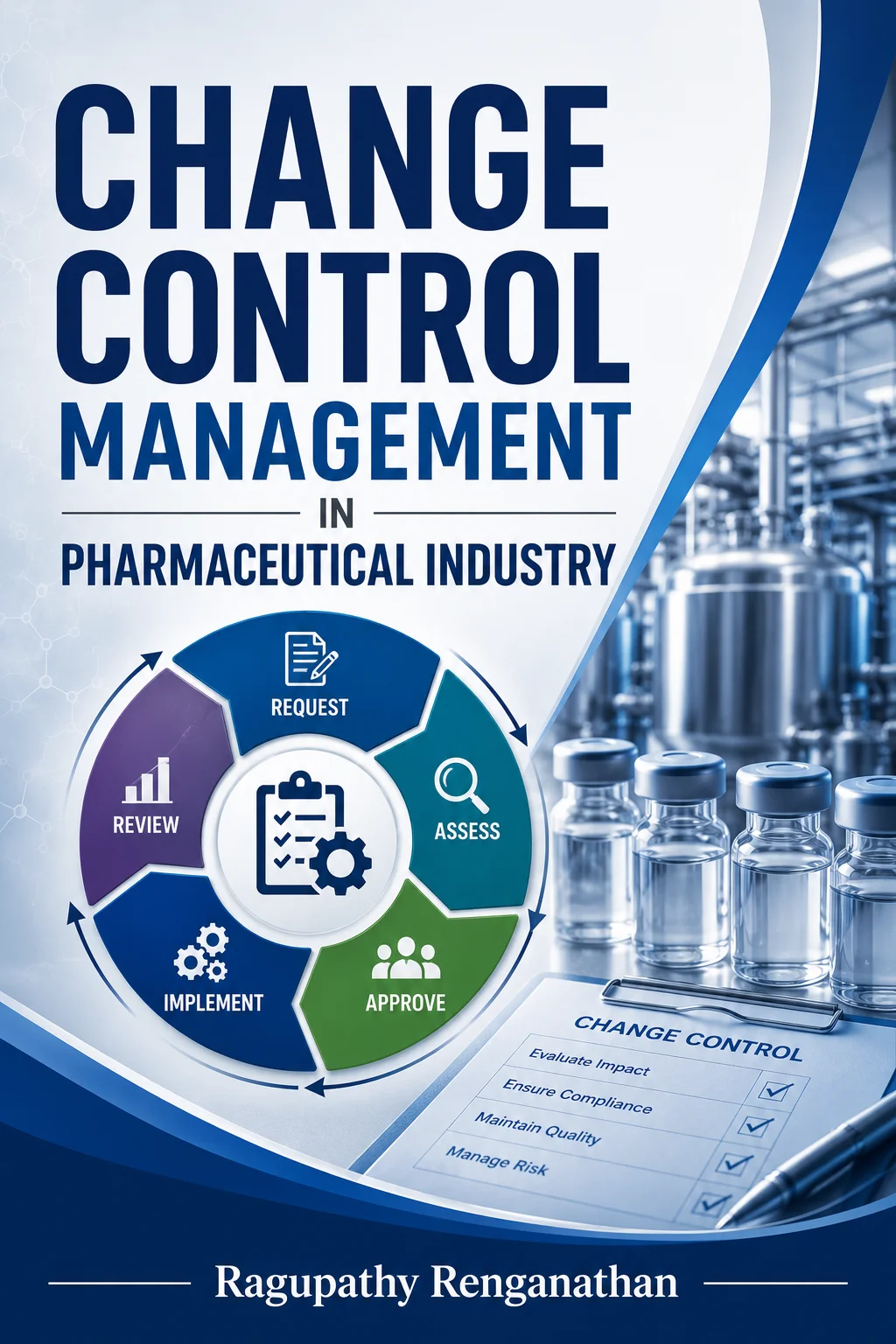
The Change Control Process
An effective Change Control system generally follows these steps.
1. Change Request Initiation